Category: Uncategorized

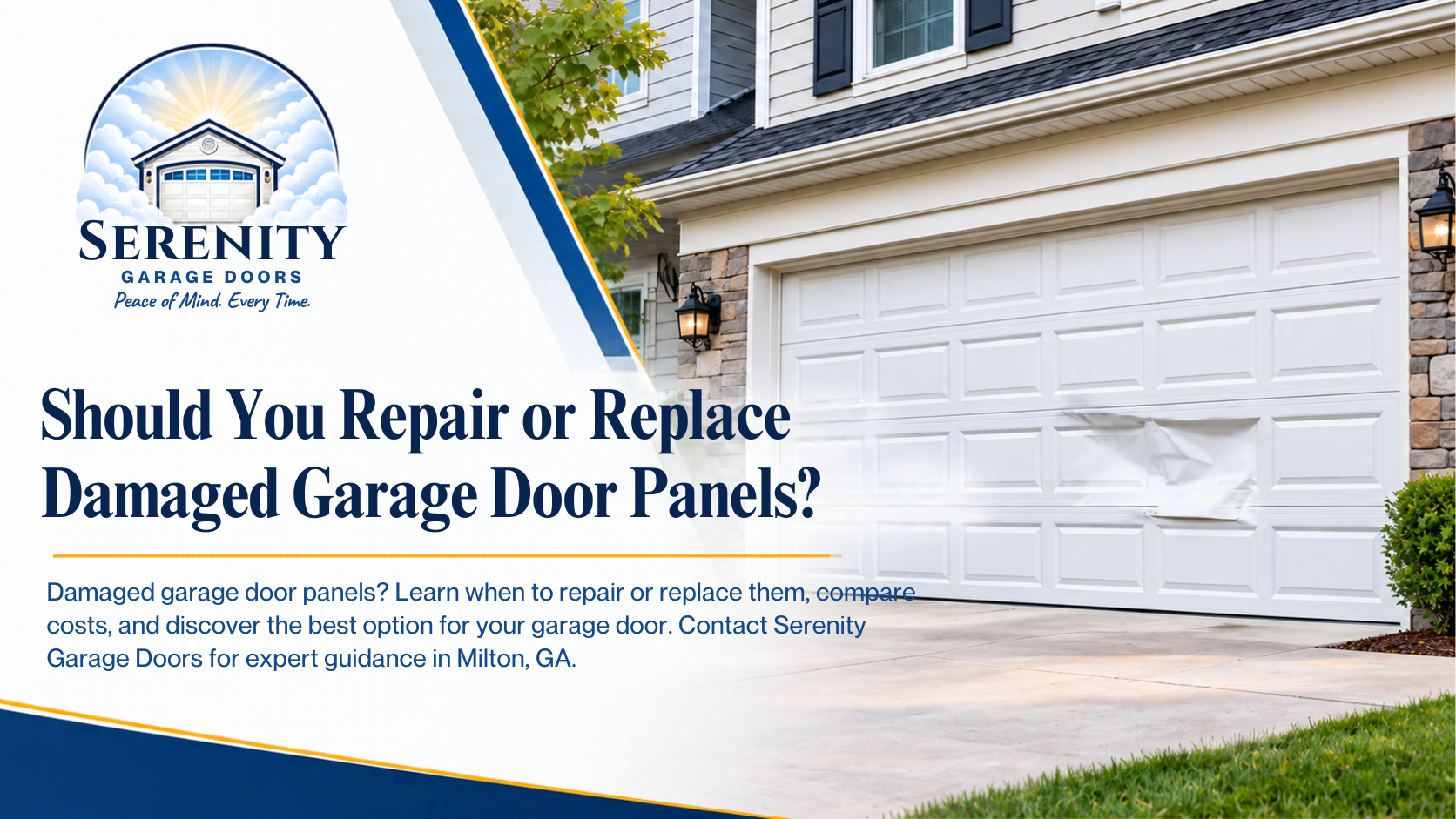
  • Should You Repair or Replace Damaged Garage Door Panels?

    Should You Repair or Replace Damaged Garage Door Panels?

    How Garage Door Panels Affect Door Performance

    Garage door panels form the main visible sections of a sectional garage door. They connect through hinges and move along tracks as the door opens and closes. Depending on the design, panels may feature raised rectangles, flush surfaces, decorative windows, or other architectural details that complement the property’s exterior.

    Damage to one section does not always mean the entire door must be replaced. However, even localized damage should be assessed carefully because the affected panel connects with surrounding sections and moving hardware.

    Several common problems can indicate that a panel needs professional attention:

    • Dents caused by vehicles, sports equipment, or accidental impacts.

             Cracks or splits that weaken the panel’s structure.

    • Warping that affects the panel’s shape or alignment.
    • Rust or corrosion on susceptible metal surfaces.
    • Loose connections or damaged edges around panel joints.

    Minor cosmetic damage may only affect the door’s appearance, while more substantial damage can interfere with movement or compromise the panel’s strength. A professional inspection helps determine whether repair, replacement, or a broader door assessment is appropriate. There are several indications that you might need garage door panel replacement.

    If damage is identified early to the panel, then homeowners can know their service options before the issue impacts other parts of the panel. The correct answer will vary based on the location, extent, and effect of the damage to the full door assembly.

    Signs You May Need Garage Door Panel Replacement

    Dents can happen when a vehicle touches the door or when an object hits the door. In some cases, smaller dents may only be a cosmetic issue, but larger ones might cause the panel to bend out of shape and cause a problem connecting with surrounding panels.

    Unable to open or close the breathing bag.Trouble opening or closing the breathing bag.

    Damage to a panel can lead to uneven movement, odd noises, or gaps between panels. These symptoms may not be caused by the panel, but may be due to worn rollers, track misalignment, broken hinges, or spring issues.

    Do not operate this door if it moves unevenly or if it appears to be crooked, and seek a professional evaluation. They are big, tension-based garage doors, and adjustments made in an ad hoc fashion can be dangerous.

    Modifications to the exterior appearance.

    If the property’s garage door is facing the street, a damaged panel can impact a building’s exterior appearance. The faded finish, corrosion, dents, and mismatched areas can cause a home to look less put-together.

    It can be helpful to replace a damaged area with a matching panel to ensure visual consistency. It is essential to match the original color, surface texture, panel design, and size to ensure a seamless result.

    There are several types of garage door panels used in garage doors. There are several different options for garage door panels for Milton Homes.

    The installation method will depend on the condition of the components of the existing door system and the type of door system. A professional assessment may be able to determine if the ruined part can be fixed or if it is better to get a replacement.

    When Can Garage Door Panel Repair Near Me?

    One of the initial searches that homeowners may make when they spot dents, cracks, or any other type of damage is for garage door panel repair near me. Not all damage can be surface repaired, however. This will depend on the type of material, the amount of damage to the panel, and the structural condition of the panel.

    Minor Cosmetic Damage

    Sometimes, small dents or surface imperfections can be fixed without the need to replace the whole panel. Depending on the type of door, whether steel, aluminum, wood, composite or otherwise, there are different methods of repair you can use.

    Cosmetic repair may not be appropriate if the damage has affected the integrity of the metal, caused splitting in the material, or has caused the panel to become distorted in shape. In these cases, replacement might be a better option.

    Structural Panel Damage

    If a panel is cracked, badly bent, or if it is not attached to the connections, it may need to be replaced. Structural damage may impair the movement of the door and the load distribution between the various sections of the door during operation.

    Matching Existing Panels

    A repair should take into account not only function, but also appearance. If the replaced panels are a different color, texture, size or design from the original door, it will stand out.

    There are a few factors that can impact garage door panel installation cost

    There are multiple factors to consider when calculating the cost of garage door panel installation, ranging from the type of damage, replacement material, the availability of the panels, and the labor involved. The correct calculation should take into account the particular requirements of the door and should not be based on a general price.

    Panel Material and Design

    There are various materials and styles of garage door panels. There may be different purchase and installation requirements for steel panels, aluminum sections, wood designs, and insulated panels.

    The price can also be influenced by decorative features, window inserts, insulation, and other finishes. It can be more difficult to find a replacement panel that is as close to a custom door as possible than a standard section.

    Extent of the Damage

    A professional inspection is useful in determining if the issue is only with the panel or if it is affecting other components of the door assembly. This assessment will contribute towards a comprehensive assessment and minimise the risk of missed related repairs.

    The cost of replacing a single garage door panel can vary. The price of replacing a garage door panel can also change.

    The price of a single garage door panel replacement depends on the model, material, size of the panel and the availability of replacement parts. Sections may vary in price due to insulated sections, discontinued specialty finishes, or panels.

    Having a full replacement cost in comparison with the cost of replacing the old panel or the whole door is beneficial. For older doors or if there are multiple sections that are showing signs of deterioration.

    Home Garage Door Panel Replacement Milton GA,

    There are several types of residential garage door designs, which match the styles of homes. Raised-panel, contemporary flush, carriage-house, and decorative window design doors all have unique visual and functional properties.

    When replacing a garage door panel for a residential garage door, the replacement section should be as close to the original garage door as possible. The final look depends on material, color, surface texture pattern, insulation, and panel size.

    Maintaining Garage Door Panels After Installation

    Regular visual inspections can enable homeowners to identify potential issues and monitor the condition of their door. While maintenance will not resolve all the damage, it will help to detect any problems early enough to prevent them from becoming more serious.

    Maintain a clean door surface.

    Over time, dirt and grime may build up on the door’s surface, and this can impact the appearance and make some types of damage more difficult to spot. The cleaning should be done as recommended by the manufacturer of the door material and finish.

    Don’t use harsh products that can harm paint, coatings, or decorative finishes. When cleaning, inspect for rust, cracks, peeling finishes, and dents that might need further investigation.

    Watch for Changes in Door Movement

    Listen for unusual sounds, wobbling, or signs of missing pieces. The symptoms may be due to damage to the panels or to other parts of the system.

    Do not push or pull a door if it is crooked, wobbles, or does not move easily. A professional inspection will be able to help determine what’s causing it without putting the homeowner at risk.

    Arrange Inspections When Damage Appears

    If there is a new dent or crack in the vehicle, this should be assessed for size and location. If the door is still working, but damage is occurring around hinges or connecting sections, it might need immediate repair.

    Assessment, which takes place in a timely fashion, will help determine if the panel should stay in service, be repaired, or replaced. It will also give you the chance to see additional issues that are visible to the naked eye that could be a problem with the door. 

    Garage Door Panel Repair and Installation in Milton, GA

    Choosing between repair and replacement begins with understanding the type and extent of the damage. Minor surface imperfections may be repairable, while cracked, severely bent, or structurally compromised sections may require replacement. The availability of compatible panels and the condition of the remaining door also influence the decision.

    Serenity Garage Doors is the business to consider when evaluating garage door panel repair and installation in Milton, GA. A suitable service assessment should examine the damaged section, surrounding hardware, and overall door condition before recommending the next step.

    Frequently Asked Questions

    1. Can I Replace Just One Garage Door Panel?

    Yes, replacing one panel may be possible when the remaining door sections are in good condition, and a compatible replacement is available. The door’s model, material, age, and structural condition should be evaluated before proceeding.

    2. How Much Does Garage Door Panel Replacement Cost in Milton, GA?

    The cost depends on the panel material, door model, extent of damage, part availability, and installation labor. A professional assessment provides a more accurate estimate based on the specific door and replacement requirements.

    3. Is It Better to Repair or Replace a Damaged Garage Door Panel?

    Repair may be suitable for certain minor cosmetic problems, while substantial cracks, severe bends, or structural damage may require replacement. The condition of the surrounding sections and hardware should also be considered.

    4. Can a Damaged Garage Door Panel Affect Door Operation?

    Yes, significant panel damage can interfere with alignment and movement. However, similar symptoms may also result from damaged rollers, hinges, tracks, or springs, so the complete system should be evaluated.

    5. How Long Does Garage Door Panel Installation Take?

    The installation time varies according to the door design, panel location, replacement availability, and extent of related repairs. A straightforward replacement may take less time than a job involving multiple sections or additional hardware work.

    6. Can a Replacement Panel Match My Existing Garage Door?

    A close match may be possible when a compatible panel is available. Matching depends on the original manufacturer, model, material, color, dimensions, and design. Older or discontinued doors may present additional challenges.

    7. When Should I Stop Using a Damaged Garage Door?

    Stop operating the door if it appears unstable, hangs unevenly, has severely damaged sections, or shows signs of a mechanical failure. 

    Restore Your Garage Door With the Right Panel Solution

    A damaged garage door panel can affect curb appeal, alignment, and everyday operation. Understanding the difference between cosmetic damage and structural problems helps homeowners choose an appropriate repair or replacement option. Material compatibility, installation requirements, and the condition of the remaining door sections should all be considered before work begins.

  • Best Garage Door Lubricant: How to Choose and Apply the Right Product

    Best Garage Door Lubricant: How to Choose and Apply the Right Product

    A garage door consists of several moving components that operate every time the door moves. Hinges, rollers, springs, bearings, and other parts of the hardware may rub against other components when working normally. A quality garage door lubricant can help minimize friction, aid in smooth operation, and be a part of regular garage door maintenance.

    Not all lubes are appropriate for use in garage door hardware. The right product should be used appropriately to protect mechanical parts and not attract additional dirt or leave deposits. Homeowners may not know how to lubricate their garage door parts properly, and they might be unsure about how to maintain them to ensure smooth operation. Homeowners may not know how to properly lubricate their garage door parts, and may not know how to maintain those parts for smooth operation. 

    What Is the Best Garage Door Lubricant?

    The best garage door lubricant is generally a product formulated for garage doors or mechanical components that need lubrication without leaving excessive sticky residue. A quality garage door lubricant can help reduce friction between moving parts while supporting smoother operation.

    Garage doors contain several different components, so lubrication should be approached carefully. Hinges, rollers, bearings, and springs may have different maintenance requirements.

    Look for a Garage-Door-Specific Formula

    When choosing the best lube for garage door components, look for a product intended for garage doors or similar mechanical hardware. Products designed for this purpose are generally easier to apply to the components that require lubrication.

    Avoid assuming that any household oil or general-purpose product is appropriate for every garage door component. Using the wrong product can attract dust or leave behind unwanted residue.

    Consider How the Lubricant Behaves

    A suitable lubricant should support smooth movement without creating a heavy coating that collects dirt. A light, appropriate application is usually preferable to saturating the hardware.

    The goal of garage door lubrication is to provide enough lubrication for moving components without creating a messy buildup.

    Where Should Garage Door Lubricant Be Applied?

    Knowing where to apply lubricant is just as important as choosing the right product. Garage doors contain multiple moving components, but not every part needs to be lubricated in the same way.

    Hinges and Rollers

    Hinges connect sections of the garage door and move as the door travels. Rollers also move along the tracks as the door opens and closes.

    A small amount of appropriate lubricant on the moving points can help reduce friction. Care should be taken to avoid applying excessive product to areas where it can collect dirt.

    Springs and Bearings

    Springs and bearings are important mechanical components in many garage door systems. Depending on the door design, they may benefit from appropriate lubrication as part of routine maintenance.

    Because springs can be under significant tension, homeowners should avoid attempting repairs, adjustments, or spring replacement themselves. Lubrication should not be confused with mechanical repair.

    Best Lubricant for Garage Door Hardware

    When comparing options for the best lubricant for garage door hardware, consider the components involved and the product’s intended use.

    Silicone-Based Garage Door Lubricant

    Silicone-based lubricants are commonly used for various garage door components because they can provide lubrication without the heavy consistency associated with some oils.

    They may be useful for hinges, rollers, and other moving components when the product is specifically suitable for that application.

    White Lithium Lubricant

    White lithium grease is another type of lubricant commonly used for mechanical applications. Its thicker consistency can provide lasting lubrication on suitable metal components.

    However, product compatibility matters. Always follow the lubricant manufacturer’s instructions and the garage door manufacturer’s recommendations before applying it.

    Maintaining a Garage Door: A Simple Step

    Lubrication is one of many things that can be done as part of garage door maintenance. The lubrication of a component cannot be a substitute for inspection, cleaning, adjustment, or professional repair if the component is damaged.

    Listen for Changes in Operation

    If a garage door starts to make an unusual sound when it is opening and closing, it should be addressed. There are a number of different causes of noise: dry components, worn rollers, loose parts, or other mechanical issues.

    If the problem is friction, lubrication might help; if it’s some other problem, it’s not necessarily a lubrication problem.

    Inspect Before Applying Lubricant

    Before using any product to maintain a garage door, thoroughly check the hardware. Check for worn rollers, loose bolts, broken hinges, frayed cables, rust, or other obvious problems.

    Garage Door Maintenance Beyond Lubrication

    However, lubrication is just one aspect of proper garage door maintenance. Some simple maintenance may also involve a general inspection, door cleaning, hardware inspection, and running the door.

    Keep Tracks Clean

    The rollers move on garage door tracks. Usually, they should not contain too much dirt and debris.

    Lubricant should not be sprayed liberally on the tracks. The parts that need the proper lubrication are the rollers and moving parts; the tracks should be reasonably clean.

    Check the Door’s Movement

    Notice the way the door moves when it is functioning normally. It should move in a smooth manner and not stop, grind or make any major alterations in tone.

    If the door does start to act differently, it’s important to figure out the problem quickly, as it could turn into a bigger mechanical problem.

    Examine Rollers and Hinges

    Every time the door moves, the rollers and hinges are moving repeatedly. Regular checks of these parts can provide visual indication of wear or damage.

    If the rollers are cracked, worn, or otherwise damaged, it may be better to replace them rather than just add lubricant to them.

    Common Mistakes When Using Garage Door Lube

    Excessive lubricant usage, or incorrect lubrication of the wrong parts, can cause unnecessary problems. Some simple precautions can help maintenance to be more effective.

    Applying Too Much Product

    If you add more lubricant, it doesn’t necessarily mean you’re adding more lubrication. When there is excess product, it can accumulate and get dust and debris on the hardware.

    Use sparingly as necessary, and according to the recommended application directions.

    Lubricating the Wrong Parts

    Garage door lubricant should only be used on parts that need it. Spraying of the entire door, tracks, or surrounding area may result in residue and not solve the maintenance problem.

    Identify the moving component before using a product.

    Ignoring Mechanical Problems

    If the garage door is squeaking or making noise, this could be a sign of wear or damage to the hardware, or it might need lubrication. If the problem isn’t discovered and the lubricant is added, this may postpone the desired repair.

    If the door doesn’t close evenly, seems to have become noisier or visible damage exists, then it may be appropriate for professional inspection. 

    Garage Door Maintenance Products to Keep on Hand

    A few appropriate garage door maintenance products can make routine upkeep easier. However, homeowners should choose products based on the specific garage door system and manufacturer recommendations.

    Appropriate Lubricant

    A garage-door-compatible lubricant is useful for maintaining suitable moving components. Keep the product available so lubrication can be performed as part of scheduled maintenance rather than only after excessive noise develops.

    Cleaning Supplies

    A clean cloth and appropriate basic cleaning supplies can help remove dirt and residue from accessible hardware. Keeping components reasonably clean can make it easier to inspect them for visible wear.

    Inspection Checklist

    A simple maintenance checklist can include:

    • Hinges and rollers
    • Springs and bearings
    • Cables and visible hardware
    • Tracks and surrounding areas
    • Unusual noises
    • Door movement
    • Visible wear or damage

    A checklist helps homeowners remember that lubrication is only one part of maintaining a garage door.

    How Often Should You Lubricate a Garage Door?

    The appropriate lubrication schedule depends on the garage door system, usage, environment, and manufacturer’s recommendations. A door used several times every day may require more attention than one that is opened only occasionally.

    Rather than applying lubricant excessively, inspect the door periodically and follow the maintenance instructions provided for the specific system.

    If the door becomes noisy, stiff, or uneven, inspect it rather than automatically adding more lubricant.

    Frequently Asked Questions

    What’s the most effective garage door lubricant?

    A garage door lubricant is the best choice, as it is specially formulated or recommended for garage door parts. Some silicone-based products and some lithium-based lubricants might be suitable for specific parts, but it’s best to always follow the manufacturer’s instructions.

    What is the best garage door roller lubricant?

    Use a garage door lubricant compatible with the type of garage door roller, according to the instructions on the product. Use just enough compound on the moving part to lubricate it and not on the track.

    May I lubricate my garage door with WD-40?

    Traditional WD-40 Multi-Use Product is not intended primarily to be a long-term lubricant for the garage door, but rather a water-displacing penetrating product. If you need a lubrication product for your garage door, it may be better to use one specifically designed for garage doors.

    When to lubricate a garage door?

    No particular schedule works for all garage doors. The usage, the environment, the hardware, and the manufacturer’s recommendations are all important. Regular checks may be an indication of the need for maintenance, such as lubrication.

    Do I need to lubricate my garage door track?

    Typically, the tracks need not be oversaturated with lubrication. The rollers are moved along the tracks, and lubrication is normally applied to appropriate moving parts like hinges, bearings, and other parts as directed by the manufacturer.

    Keep Your Garage Door Moving Smoothly

    The selection of the best garage door lubricant is a simple yet helpful task in the regular maintenance of a garage door. Correct products, applied correctly to the correct components, in the correct quantity, can result in less friction and smoother operation.

    The first step in proper maintenance is to understand the interdependency of the various parts of the door at Serenity Garage Doors. These actions can all help to ensure reliable garage door function: routine maintenance checks, proper lubrication, maintaining clean machinery, and addressing worn parts promptly. If a door is making an odd sound, the door isn’t moving evenly, or has damage or another mechanical problem, then professional service can be used to find out what’s happening.

    Related Services

    Garage Door Spring Repair
    Garage Door Cable Repair
    Garage Door Replacement
    Garage Door Panel Installation
    Garage Door Panel Repair